
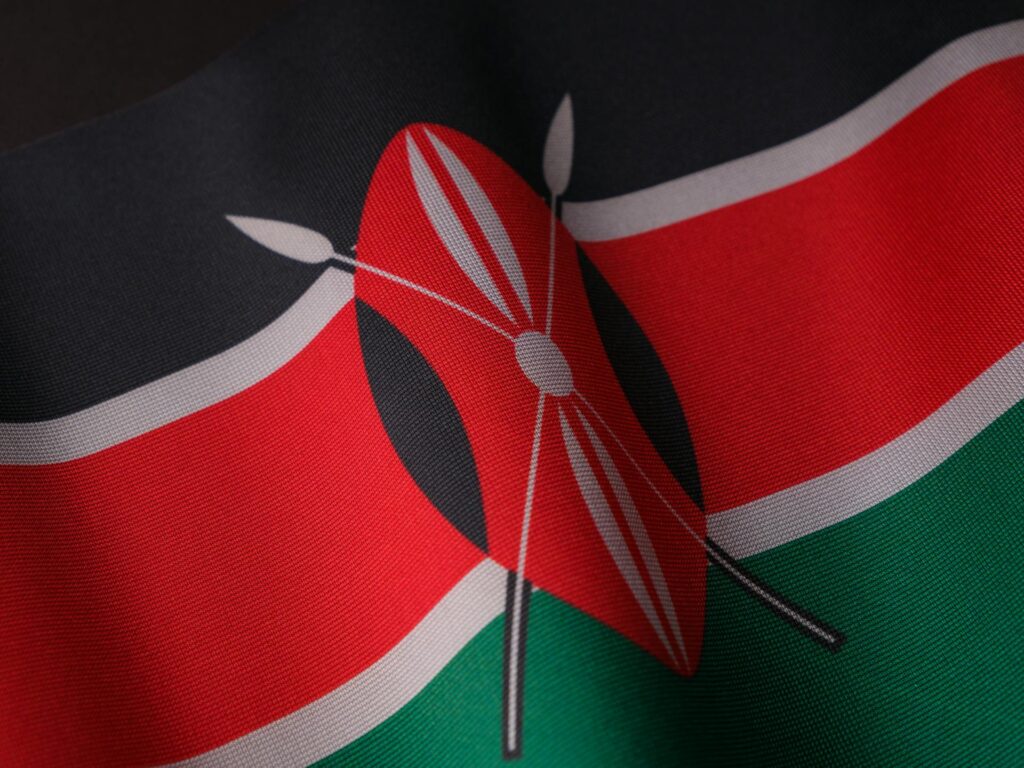
Kenya Safari Guide
A considered overview of landscapes, regions, seasons, cost, safety and planning
Kenya is where the modern safari took shape. It is not simply a wildlife destination; it is a country that refined the rhythm of safari travel — open horizons, disciplined guiding, and conservancies that balance tourism with conservation.
For travellers seeking depth rather than speed, Kenya offers range. From the grasslands of the Maasai Mara to the private conservancies of Laikipia, from the elephant herds beneath Kilimanjaro to the stark beauty of Samburu, the country delivers contrast within manageable distances.
This Kenya Safari Guide sits within our broader Safari Guide and is designed to help you understand structure, not sell you a package. Kenya rewards thoughtful planning.
For an overview of safari travel across the continent, begin with our main Safari Guide – Africa.
Why Choose Kenya for a Safari
Kenya works for both first-time and seasoned safari travellers because it offers:
- High wildlife density
- Strong private conservancy networks
- Reliable internal flight infrastructure
- Experienced professional guides
- Manageable driving distances between regions
Unlike some destinations where distances are vast and transfers dominate the experience, Kenya allows carefully paced journeys of 6–10 nights without fatigue.
It is also one of the few countries where you can combine traditional game drives with walking safaris, horseback riding (in select conservancies), and meaningful conservation interaction.
Explore our broader safari formats under Experiences for an understanding of how journeys can be structured.
Kenya Safari Regions Explained
Kenya is not one landscape. Understanding its regions is essential.
Maasai Mara
The Maasai Mara is Kenya’s most famous ecosystem. It forms the northern extension of the Serengeti plains and is known for:
- Large predator populations
- Open savannah landscapes
- The Great Migration river crossings (seasonal)
There are two distinct areas:
The National Reserve
Higher vehicle density, strong wildlife concentration, traditional safari atmosphere.
Private Conservancies
Lower vehicle numbers, off-road driving, night drives, walking safaris. Often better suited for travellers seeking privacy and photographic depth.
Migration typically occurs between July and October, though movement varies each year.
For a wider East Africa context, see East Africa Safaris.
Laikipia Plateau
Laikipia offers a different experience entirely. This is highland Kenya — rolling terrain, acacia woodland, and strong conservation models.
Highlights:
- Significant black and white rhino populations
- Lower tourist density
- Horseback safaris in select conservancies
- Strong anti-poaching infrastructure
Laikipia works exceptionally well when combined with the Maasai Mara for contrast.
Amboseli
Amboseli is known for its elephant herds and views of Mount Kilimanjaro.
Characteristics:
- Seasonal marshlands
- Open plains
- Strong photographic appeal
It is typically added as a 2–3 night extension rather than a standalone safari.
Samburu & Northern Kenya
Samburu and surrounding northern reserves offer arid landscapes and species not commonly seen in southern Kenya:
- Grevy’s zebra
- Reticulated giraffe
- Somali ostrich
Visitor numbers are lower than the Mara. The terrain feels remote and less commercial.
Best Time to Visit Kenya
Kenya is a year-round destination, but seasons influence landscape and wildlife visibility.
June to October (Dry Season)
- Excellent wildlife viewing
- Migration in the Mara (variable timing)
- Peak season pricing
January to March
- Clear skies
- Strong predator visibility
- Good for photography
April to May (Green Season)
- Lush landscapes
- Fewer visitors
- Lower rates
- Some camps close seasonally
For a detailed breakdown month-by-month, refer to our full analysis:
Best Time for an African Safari
Kenya Safari Cost Overview
Cost varies significantly depending on region, season and lodge level.
Broad guidance per person per night (excluding international flights):
- Classic conservancy safari: mid to high range
- Premium private conservancy safari: high range
- Private flying safari with top-tier lodges: ultra-premium
Drivers of cost include:
- Conservancy fees
- Internal charter flights
- Lodge exclusivity
- Time of year
For a deeper cost analysis, see:
Safari Cost Guide
Kenya’s conservancy model means part of the nightly rate supports land leases and community agreements. This is an important structural difference compared to purely state-run parks.
Entry Requirements for Kenya
Kenya operates an Electronic Travel Authorization (ETA) system.
Travellers must:
- Apply online prior to arrival
- Hold a passport valid for at least six months
- Show proof of onward travel
Yellow fever certification may be required depending on your country of origin or transit.
For complete entry requirements across Africa, visit:
Africa Entry Requirements
Vaccines & Health Considerations
Routine travel vaccinations are generally recommended.
Yellow fever may be mandatory depending on transit history. Malaria prophylaxis may be advised depending on region and season.
Consult a qualified medical practitioner prior to travel.
Further reading:
What Vaccines Are Needed for Africa?
Is Kenya Safe for Safari Travel?
Kenya’s private conservancies and established safari regions operate within structured security frameworks.
Points to consider:
- Lodges in conservancies are remote and professionally managed
- Guides are licensed and highly trained
- Nairobi requires standard urban awareness
- Internal flights are common and efficient
As with any destination, situational awareness is advisable.
Read our broader safety overview:
Is Africa Safe for Safari?
Suggested Safari Durations
Kenya rewards measured pacing.
5 Nights
Focus on a single ecosystem (typically Mara conservancy).
7–8 Nights
Combine Mara with Laikipia or Amboseli.
10–12 Nights
Mara + Laikipia + Northern Kenya or Amboseli.
12+ Nights
Add a coast extension or regional contrast.
We explore structuring in more detail under:
Experiences
Kenya vs Tanzania – Key Differences
Travellers often compare the two.
Kenya
- Strong conservancy network
- Flexible off-road rules (in conservancies)
- Compact distances
Tanzania
- Larger park systems
- Vast Serengeti scale
- More structured park regulations
Both deliver exceptional wildlife experiences, but the design logic differs.
Planning a Kenya Safari Thoughtfully
Effective Kenya safari planning considers:
- Internal flight routing
- Avoiding excessive lodge changes
- Conservancy value over reserve crowding
- Realistic game drive pacing
- Lodge spacing for privacy
A well-designed journey avoids repetition and maximizes ecological contrast.
Kenya is not best experienced through volume. It is best experienced through restraint.
For bespoke journey design enquiries, connect here:
Connect
Frequently Asked Questions
How many days are needed for a Kenya safari?
Seven to eight nights allows sufficient depth across two regions. Shorter safaris (4–5 nights) work best when focused on a single conservancy.
When is the migration in Kenya?
Migration generally occurs in the Maasai Mara between July and October, though timing varies annually depending on rainfall patterns.
Is Kenya suitable for families?
Yes. Many conservancies offer structured family-friendly programming. Age restrictions may apply for walking safaris.
Do I need a visa for Kenya?
Kenya operates an Electronic Travel Authorization (ETA) system which must be completed online prior to travel.
What does a Kenya safari typically cost?
Costs vary widely depending on lodge level, season and flight structure. Premium conservancy safaris command higher rates due to limited vehicle density and conservation levies.