
Tanzania Safaris
A Country of Scale, Continuity, and Ecological Power
Tanzania is defined by scale and continuity. Its ecosystems are larger, less fragmented, and often more immersive than anywhere else in Africa. Wildlife movements extend across borders, seasons shape entire landscapes, and time spent in one region is rewarded with depth rather than repetition.
A Tanzania safari is best designed by understanding how each region differs — not just in wildlife, but in terrain, rhythm, and spatial experience.
Serengeti National Park
Migration Systems and Open Savannahs
The Serengeti forms the backbone of Tanzania’s safari identity and is part of a vast transboundary ecosystem.
Key characteristics
- Endless plains and seasonal river systems
- Large populations of lion, cheetah, leopard, and hyena
- The Great Wildebeest Migration (year-round movement, location varies by season)
- High plains game density supporting complex predator behaviour
The Serengeti suits travellers seeking large-scale wildlife systems, extended game drives, and classic open-terrain safaris.
Ngorongoro Crater & Conservation Area
Density, Topography, and Geological Drama
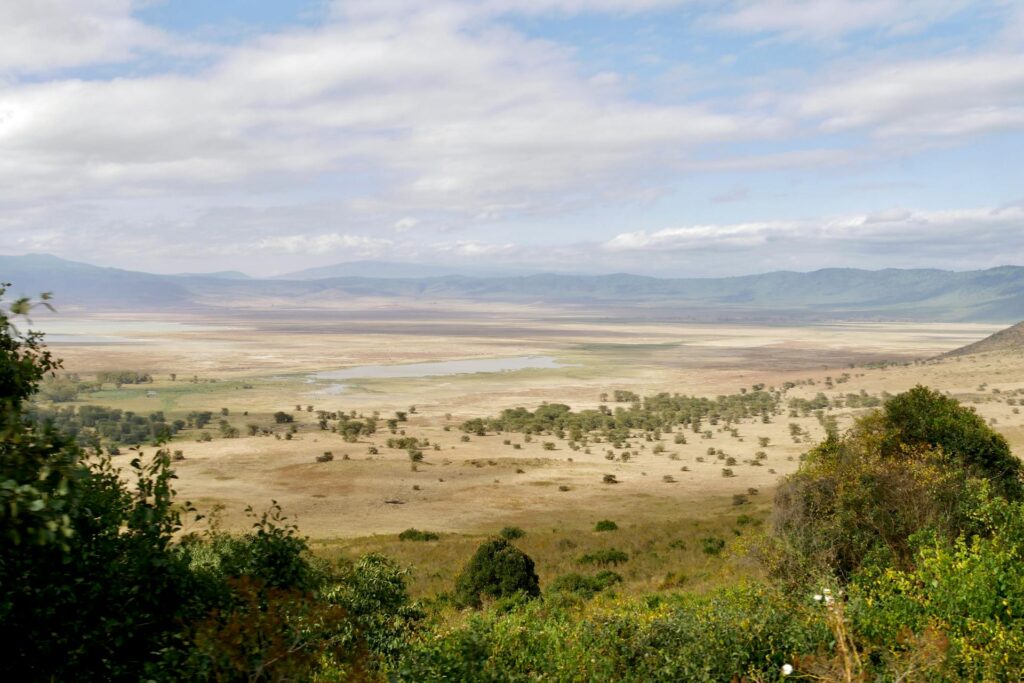
Ngorongoro is a contained ecosystem unlike any other in Africa.
Key characteristics
- A volcanic caldera with permanent water sources
- High density of plains game within a confined area
- Reliable sightings of black rhino
- Dramatic elevation changes between crater floor and highlands
This region works well for short, high-impact wildlife viewing, often combined with the Serengeti rather than as a standalone destination.
Tarangire National Park
Elephants, Baobabs, and Seasonal Concentration
Tarangire offers a markedly different landscape from the Serengeti.
Key characteristics
- Large elephant populations
- Iconic baobab-studded terrain
- Strong seasonal wildlife concentration along the Tarangire River
- Excellent dry-season game viewing
Tarangire is ideal for travellers interested in elephants, distinctive landscapes, and quieter safari environments.
Lake Manyara & Northern Forest Zones
Groundwater Forests and Birdlife
Lake Manyara introduces forested habitats and a strong avian presence.
Key characteristics
- Groundwater forests and alkaline lake systems
- Flamingos and migratory birds
- Tree-climbing lions (seasonal and not guaranteed)
- Compact geography
This region works best as a scenic and ecological contrast, rather than a primary wildlife focus.
Ruaha National Park
Remote Wilderness and Predator Density
Ruaha is Tanzania’s largest national park and one of its least visited.
Key characteristics
- Vast, rugged landscapes
- Strong lion populations and frequent wild dog sightings
- River systems attracting concentrated wildlife in dry season
- Minimal vehicle density
Ruaha suits travellers seeking remoteness, scale, and a sense of true wilderness.
Nyerere National Park (Selous)
Rivers, Boats, and Southern Ecosystems
Formerly the Selous Game Reserve, Nyerere introduces water-based safaris.
Key characteristics
- Riverine landscapes along the Rufiji River
- Boat safaris alongside traditional game drives
- Hippo, crocodile, and strong elephant populations
- Large, undeveloped safari zones
This region appeals to travellers interested in varied safari activities and southern Tanzania’s quieter rhythm.
Zanzibar & the Indian Ocean
Coastal Culture and Marine Safaris
Zanzibar and Tanzania’s coastline provide a marine counterpart to inland safaris.
Key characteristics
- Coral reefs and warm Indian Ocean waters
- Snorkelling and scuba diving
- Dolphin and seasonal whale sightings
- Swahili culture and historic coastal towns
Zanzibar works naturally as a post-safari extension, combining land-based wildlife with marine experiences.
Designing a Tanzania Safari
Tanzania rewards time and regional focus.
It can be:
- A standalone safari destination
- Combined with Kenya for migration continuity
- Paired with Zanzibar for land-and-marine journeys
Strong safari design depends on seasonality, regional selection, and pacing.
Discuss a Tanzania Safari
If Tanzania’s scale and regional diversity match how you travel, the next step is a conversation.
We design journeys based on landscape, season, and intent — not fixed routes.
Discuss a Tanzania Safari on WhatsApp