
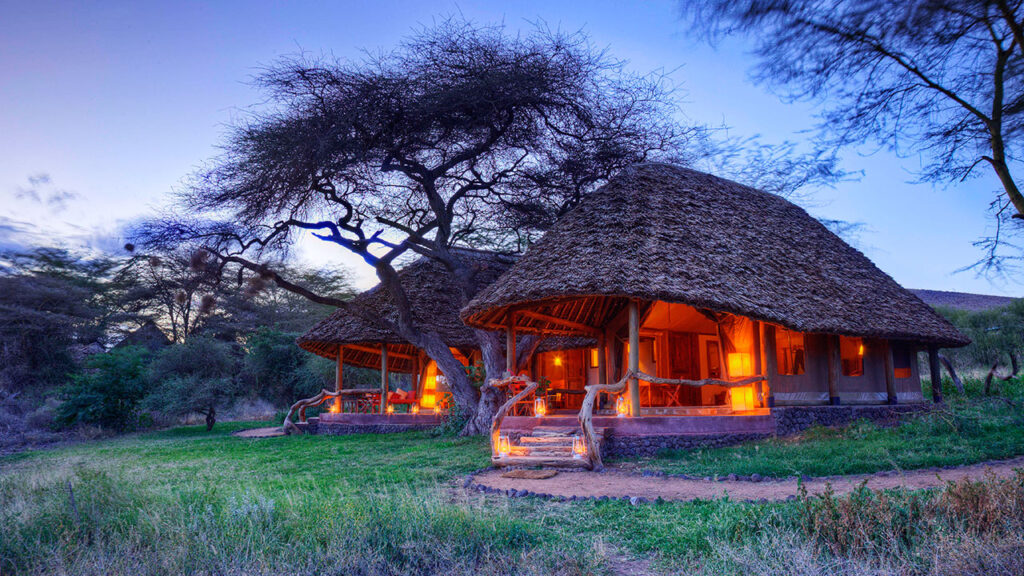
Tortilis Camp
Tortilis Camp lies on the edge of the greater Amboseli ecosystem within the private lands of Kitirua Conservancy.
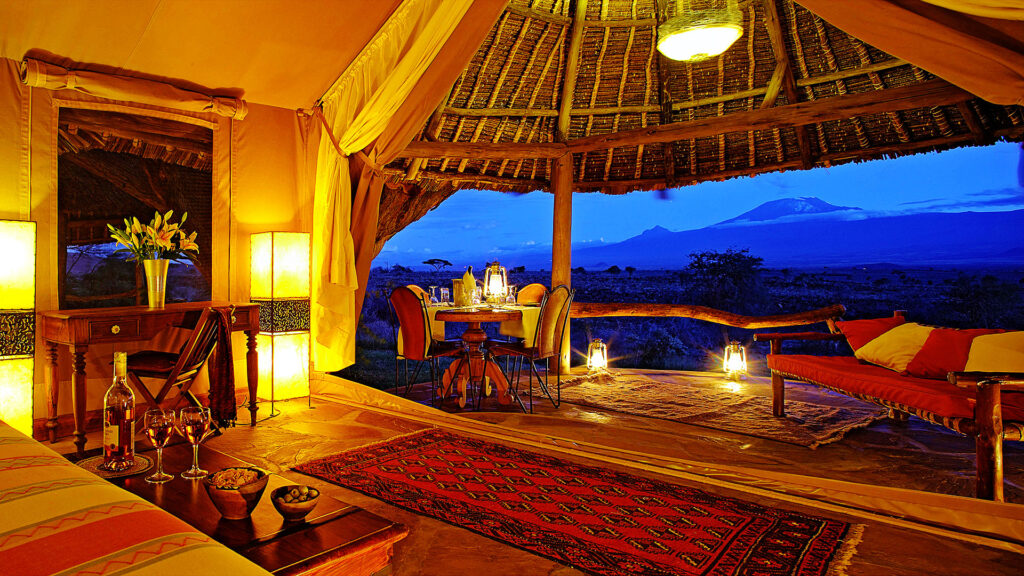
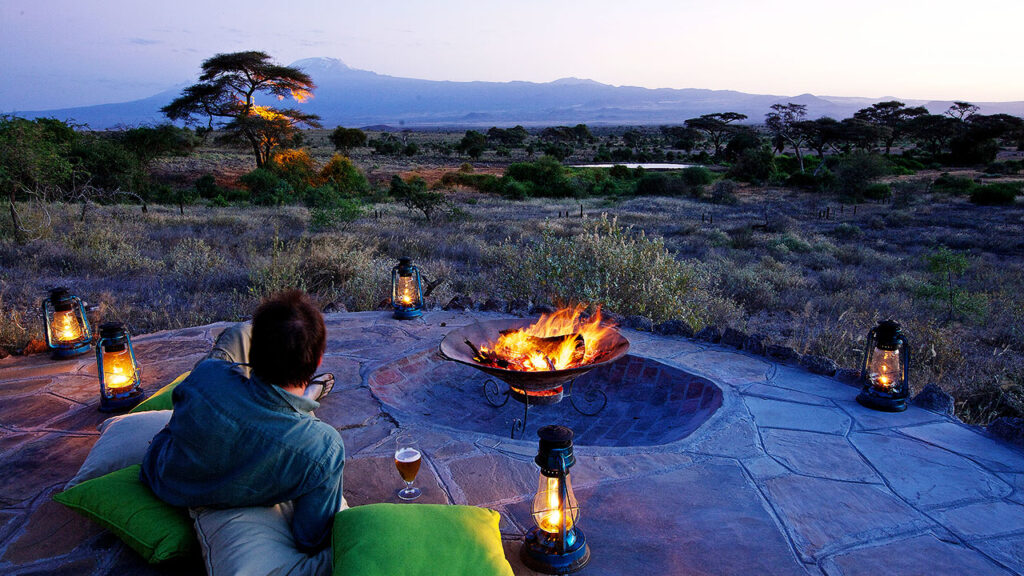
The camp sits in a quiet acacia woodland area just outside Amboseli National Park, facing the vast plains that stretch toward Mount Kilimanjaro.
Established many years ago as one of the region’s pioneering eco-camps, Tortilis Camp has long been associated with classic Amboseli safaris and strong conservation partnerships with the surrounding Maasai communities.
Landscape & Setting
The setting around Tortilis Camp combines open savannah plains with stands of umbrella acacia trees that provide shade across the landscape.
From many parts of the camp, Kilimanjaro rises dramatically above the horizon. Meanwhile, the nearby wetlands and grasslands of Amboseli National Park attract large concentrations of wildlife throughout the year.
Because the camp sits within a private conservancy area, the surrounding environment often feels quieter than the busier sections of the national park.
Accommodation
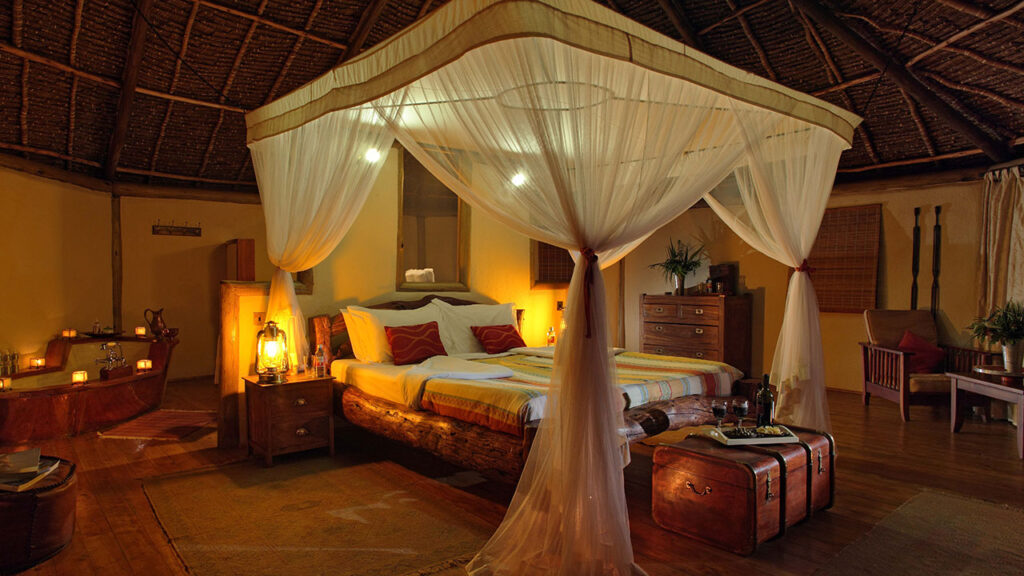
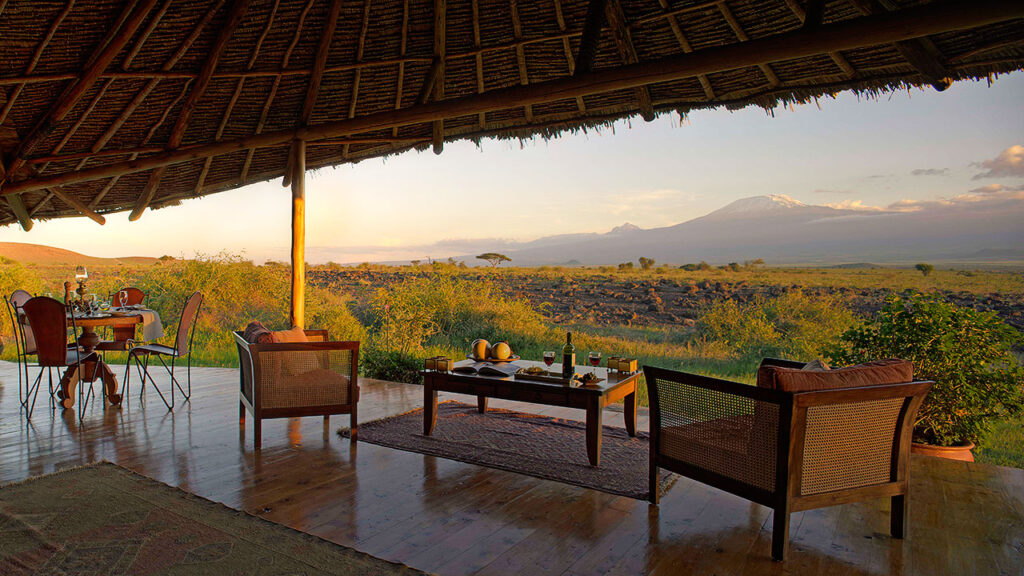
Tortilis Camp offers classic safari-style tents set beneath acacia trees with views across the surrounding plains.
Accommodation features include:
- Spacious canvas tents with private verandas
- Ensuite bathrooms with safari showers
- Comfortable safari-style interiors
- Views toward Kilimanjaro and the surrounding savannah
The camp’s design emphasises a traditional safari atmosphere while maintaining comfort and privacy.
Safari Experience / Activities
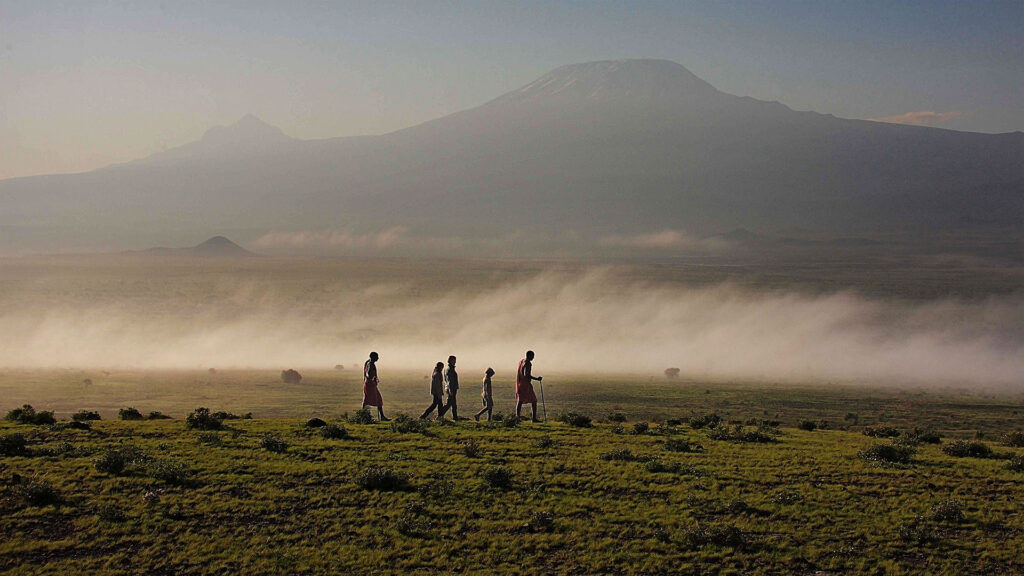
Guests at Tortilis Camp can explore both the private conservancy and the nearby national park.
Activities include:
• Game drives within Kitirua Conservancy
• Wildlife safaris into Amboseli National Park
• Guided walking safaris
• Cultural visits to local Maasai communities
• Sundowners overlooking Kilimanjaro
Because of the conservancy location, guests often enjoy a more varied safari programme than in national parks alone.
Wildlife
The Amboseli ecosystem supports a rich variety of wildlife moving across the plains surrounding the camp.
Wildlife encounters may include:
• Elephant
• Lion and cheetah
• Buffalo and zebra
• Giraffe
• Numerous antelope species
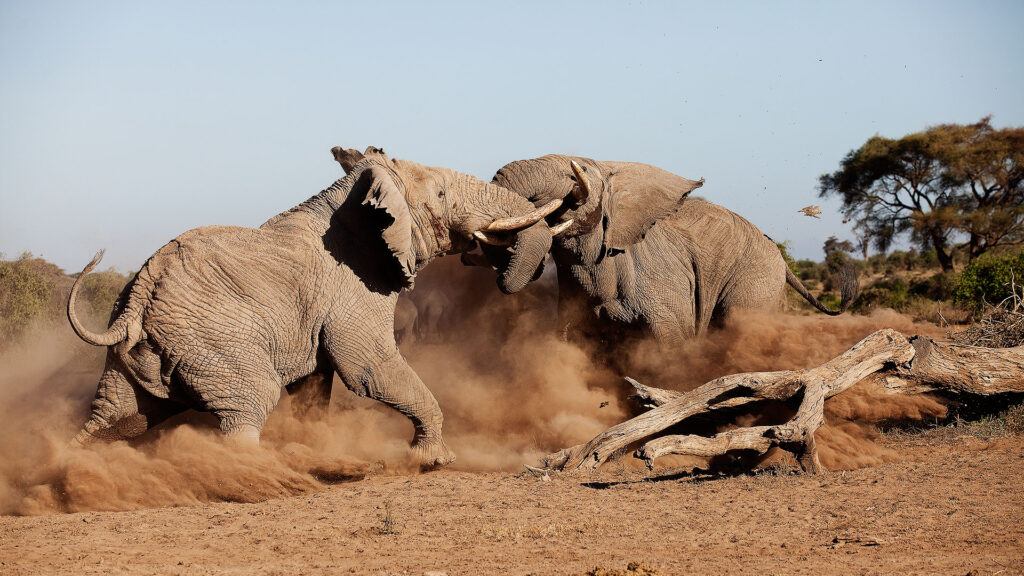
Amboseli’s famous elephant herds frequently move through the surrounding areas, particularly near the wetlands of the national park.
When to Visit
Tortilis Camp can be visited throughout the year.
June – October
Dry season conditions provide excellent wildlife viewing.
January – March
Clear skies often produce the best Kilimanjaro views.
April – May / November
Rainfall during these months creates greener landscapes and quieter safari conditions.
Wildlife viewing remains consistent because of the permanent water sources in the Amboseli ecosystem.
Insider Tips
Kilimanjaro is most visible early in the morning before clouds gather around the summit.
Meanwhile, late afternoon drives often provide excellent photographic opportunities when the mountain is illuminated by the setting sun.
Because Tortilis sits outside the park, wildlife sightings frequently occur with fewer vehicles nearby.
Oloi Shorua Must-Do
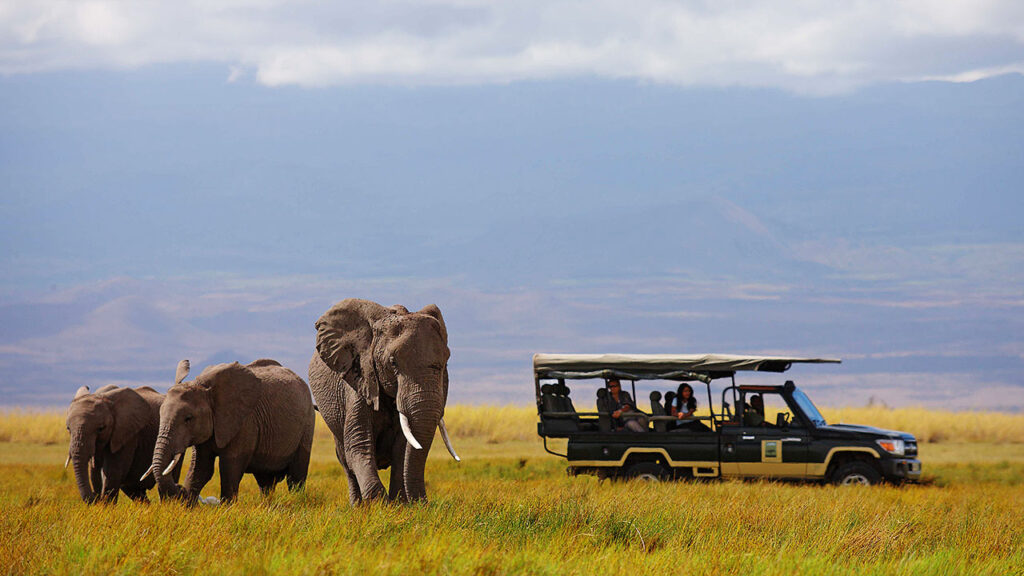
Head out for a late afternoon game drive toward the open plains facing Kilimanjaro, where elephants often cross the landscape beneath the mountain.
Few wildlife scenes in Africa are as iconic.
Oloi Shorua Recommendation
We recommend combining Tortilis Camp with a stay in the Chyulu Hills, where the volcanic landscapes provide a dramatic contrast to the open plains of Amboseli.