
South Africa Safari Guide
Regions, seasons, malaria-free options, cost and planning — a considered overview
South Africa offers a safari experience that differs structurally from East Africa. The infrastructure is more developed, the logistical complexity lower, the distances between city and bush shorter. For certain travellers — particularly families with young children, those with health constraints around malaria, or those combining wildlife with other South African landscapes — it represents the most practical entry point into serious African safari travel.
At the same time, South Africa’s private reserves produce some of the finest game viewing on the continent. The Sabi Sand, adjacent to Kruger, delivers leopard sightings of a quality and frequency that nowhere else in Africa consistently matches. Understanding what South Africa does well, and where it differs from Kenya or Tanzania, allows you to position it correctly within a broader African travel picture.
The Regions
The Greater Kruger Ecosystem
The Kruger National Park and the private reserves that border it form the Greater Kruger ecosystem — approximately two million hectares of continuous wildlife habitat in South Africa’s north-eastern corner. Kruger itself covers 20,000 square kilometres, making it one of Africa’s largest protected areas. The Big Five — lion, elephant, buffalo, leopard and rhino — all move through this landscape in viable populations.
Kruger divides naturally into north and south. The southern section carries higher wildlife density, particularly around the Sabie and Crocodile river systems, and consequently attracts more visitors. The northern section is less visited, more arid in character and better suited to travellers seeking quieter game drives with more space between vehicles.
The Private Reserves — Sabi Sand, Timbavati and Thornybush
The private reserves that share an unfenced boundary with western Kruger — primarily Sabi Sand, Timbavati and Thornybush — represent a fundamentally different experience from the national park. Vehicle numbers per sighting are strictly limited. Off-road tracking is permitted, allowing guides to follow animals through bush rather than staying on designated roads. Night drives run after dark. The overall result is a game viewing experience of considerably greater depth and intimacy than Kruger’s self-drive environment provides.
The Sabi Sand, in particular, is the finest place in Africa to observe leopard. Individual animals move through camp boundaries, rest on open ground near vehicles and allow observation at ranges that would be extraordinary anywhere else on the continent. Guides here develop relationships with specific individuals over years, tracking their territories and behavioural patterns in detail that transforms a sighting from a wildlife encounter into something closer to a study.
Malaria-Free Reserves — Madikwe and Pilanesberg
South Africa’s malaria-free Big Five reserves represent a meaningful distinction from most other major safari destinations. Madikwe Game Reserve, in the North West Province near the Botswana border, covers approximately 75,000 hectares and supports all of the Big Five including a significant wild dog population. Because it operates entirely outside the malaria belt, it carries no prophylaxis requirement.
Pilanesberg, closer to Johannesburg, offers similar malaria-free Big Five access within a shorter transfer from the city. Additionally, the Eastern Cape — particularly Addo Elephant National Park and the private reserves around it — provides a third malaria-free Big Five option in a landscape of dense bush and coastal transition zone that differs visually from anything in the north. For families travelling with young children or travellers who prefer to avoid prophylaxis, these reserves deliver experiences that no other major safari country can match at the same level.
When to Visit South Africa
The dry season between May and September delivers the best general game viewing across all South African safari regions. Vegetation thins as winter progresses, animals concentrate around water sources and the lower grass levels make sightings significantly easier. July and August in particular are considered peak game viewing months in the Kruger ecosystem, though they also attract the highest visitor numbers.
The wet season between October and April brings lush landscapes, migratory birds and newborn animals. Wildlife disperses more widely across the bush, making sightings less predictable. However, the green season carries its own rewards — the landscape changes character completely, rates drop and the crowds thin considerably. For experienced safari travellers who have visited in the dry season, a wet season return often reveals a different South Africa altogether.
The Eastern Cape and Garden Route operate on a milder seasonal pattern, remaining accessible and rewarding throughout the year.
Self-Drive or Guided Safari
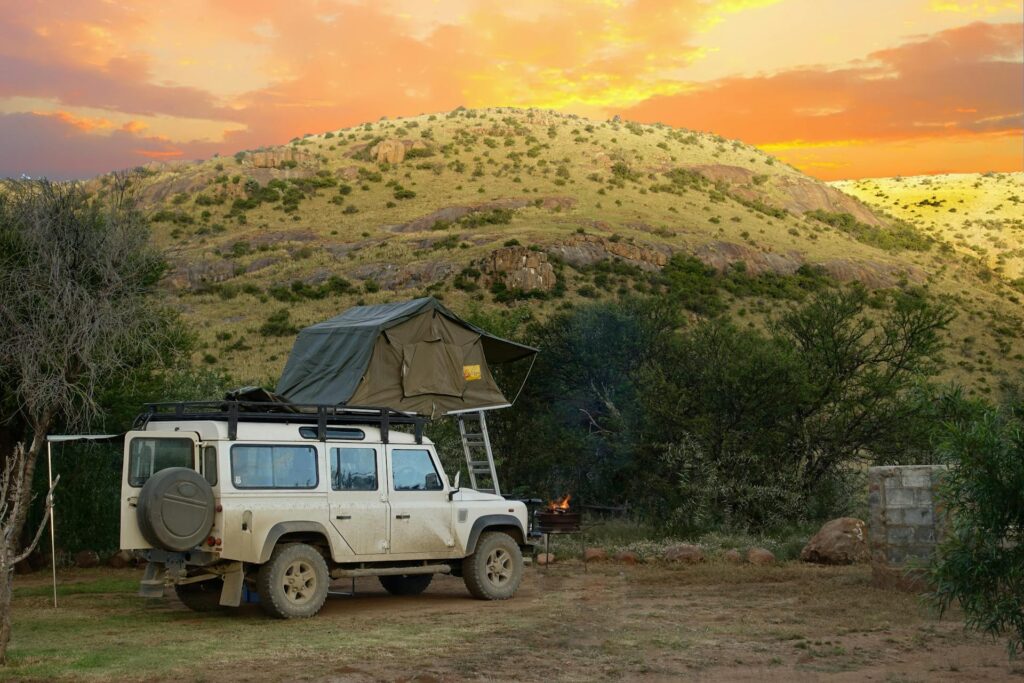
South Africa is the only major African country where self-driving through a Big Five national park is a practical and commonly done option. Kruger’s road network covers thousands of kilometres with rest camps, fuel stations and accommodation throughout. Many South African families and experienced travellers choose this format specifically. The freedom it provides — setting your own pace, staying at a sighting as long as you want, choosing your own routes — suits a particular kind of traveller well.
However, self-drive and guided safari deliver fundamentally different experiences. A skilled guide working in a private reserve tracks animals by spoor, reads behavioural cues in real time, operates off-road to follow movements and provides depth of field knowledge that a self-drive visitor simply cannot access. For first-time safari travellers or those who want to understand the bush rather than simply drive through it, the guided private reserve experience is the stronger choice despite its higher cost.
What a South Africa Safari Costs
South Africa’s pricing range is broader than Kenya or Tanzania. At the lower end, Kruger national park camps offer basic accommodation and self-drive access at modest cost. At the upper end, the leading private reserves — Londolozi, Singita, &Beyond Phinda and others in the Sabi Sand — operate at nightly rates comparable to the best properties in East Africa.
The key cost advantage South Africa offers over East Africa is the elimination of internal charter flight costs on many itineraries. Johannesburg connects by road to the Sabi Sand in under five hours, or by short domestic flight in under an hour. This significantly reduces the overall cost of a multi-night private reserve safari relative to a comparable experience in northern Tanzania.
Malaria-free reserves such as Madikwe and Pilanesberg also save the cost and inconvenience of prophylaxis — a consideration that matters more to some travellers than the financial saving.
Entry Requirements
South Africa does not require a visa for nationals of the United Kingdom, European Union, United States, Australia, Canada and most GCC countries for stays of up to 30 or 90 days depending on passport. This makes it one of the most accessible safari destinations for international travellers. A passport valid for at least 30 days beyond the intended departure date is required, and proof of onward travel applies.
For families travelling with children, South Africa has specific documentation requirements — unabridged birth certificates and, in some cases, additional parental consent documentation. Confirm current requirements with the South African embassy or your operator before travel, as these regulations change periodically.
For complete entry guidance: Africa Entry Requirements
South Africa Within a Wider Africa Journey
South Africa combines well with East Africa for travellers who want to experience the full range of what the continent offers. A journey that moves between the Mara conservancies in Kenya and the Sabi Sand in South Africa delivers two entirely different safari philosophies — the open grassland tracking culture of East Africa against the dense-bush leopard country of the lowveld. The contrast is instructive and, for travellers who value depth over single-country immersion, genuinely rewarding.
Within South Africa itself, combinations extend naturally beyond the bush. Cape Town and the Cape Winelands represent a separate travel register altogether — a city of considerable cultural and culinary depth within easy reach of extraordinary natural landscapes. However, the key is sequencing correctly. Safari before city works considerably better than city before safari. The transition from bush to Cape Town feels like a natural progression. The reverse often leaves safari feeling anticlimactic.
For Kenya planning: Kenya Safari Guide
For Tanzania planning: Tanzania Safari Guide
Frequently Asked Questions
How many days do I need for a South Africa safari?
Three to four nights in a private reserve provides a complete experience. Five nights allows deeper familiarity with the landscape and specific animals. Fewer than three nights produces a compressed experience that misses the rhythm of how game drive quality builds over successive days in the same ecosystem.
Is malaria a concern in South Africa?
Malaria risk exists in the north-eastern corner of the country — primarily the Greater Kruger ecosystem and parts of Limpopo province — particularly between October and April during the wet season. However, South Africa also offers extensive malaria-free Big Five reserves, including Madikwe, Pilanesberg and the Eastern Cape reserves. These provide a genuine alternative for families with young children or travellers who prefer to avoid prophylaxis entirely.
What is the difference between Kruger and a private reserve?
Kruger is a national park with a large self-drive network and a wide range of accommodation. Private reserves adjacent to Kruger — particularly the Sabi Sand — operate under different rules. Vehicle numbers per sighting are capped, off-road driving is permitted and night drives run regularly. Additionally, the guides in private reserves typically have deeper ecological knowledge of their specific territory than Kruger rangers. The private reserve experience costs considerably more but delivers significantly greater depth.
Do I need a visa for South Africa?
Most major passport holders — including UK, EU, US, Australian and GCC nationals — do not require a visa for South Africa for stays of up to 30 or 90 days. Because regulations vary by nationality and change periodically, confirm current requirements before travel through the South African Department of Home Affairs or your operator.
How does South Africa compare with Kenya or Tanzania?
South Africa offers better infrastructure, lower logistical complexity and genuinely world-class leopard viewing. Kenya offers the conservancy model, the Great Migration and a stronger walking safari culture. Tanzania provides scale and remote southern wilderness that neither country matches. For most travellers, the question is not which country is better but which experience fits the specific journey they want to make. Many of the strongest Africa itineraries combine all three across multiple trips over time.
If you are considering a South Africa safari and would prefer a more informed approach to planning, we would be pleased to begin with a conversation.
South African National Parks — sanparks.org
South Africa Tourism — southafrica.net