
Books by Shantanu Chand
Writing has always been an extension of travel. Over the years, time spent across Africa has taken shape through a series of written works — observations, journeys and reflections shaped by landscape, movement and memory. Each book stands on its own. Together, they form a continuous record of Africa as it was encountered — slowly, deliberately and without insistence.
All titles are available on Amazon.
Before the Journey Knew My Name

In December 1997, a twenty-two-year-old from Mumbai travelled to Kenya with two close friends. He carried little more than imagination, curiosity and a lifelong fascination with Africa. What followed was not simply a safari. It was the beginning of a relationship that would quietly shape the next three decades of his life.
From the forests of the Aberdares to the plains of the Masai Mara, the severity of Samburu and the coastlines beyond Mombasa and Lamu, this book reflects on a first encounter with East Africa through memory, landscape and time. Written with restraint and emotional clarity, it moves beyond wildlife and travel into questions of belonging, inheritance and memory. Furthermore, it explores the difference between witnessing a place and trying to possess it.
Footprints in African Dust
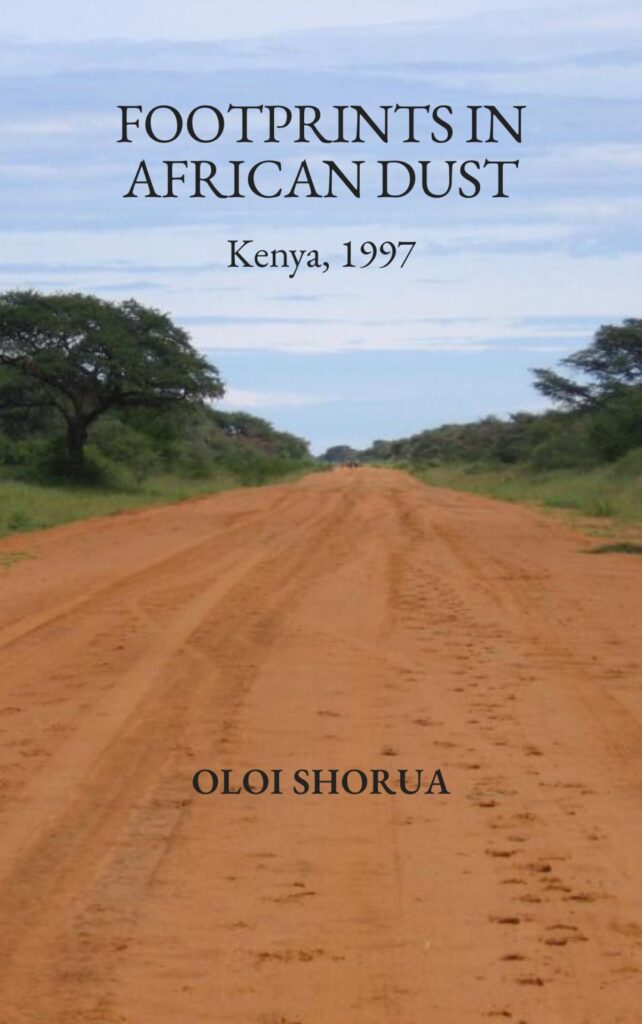
In December 1997, three college boys from India landed in Kenya with backpacks and borrowed confidence. They had no idea that Africa was about to change them forever. This is not a guidebook and not a safari checklist. It is a travel memoir set in a time before smartphones and curated experiences — when travel was raw, uncertain and quietly transformative.
From flickering lights at Nairobi airport to silent nights at The Ark, from flamingo-lined lakes to firelit evenings in the Masai Mara, the journey unfolds through chance encounters and wildlife moments that defy words. Consequently, the slow realisation that something inside has shifted arrives not as a single moment but as an accumulation.
Under the Skies of Kilimanjaro
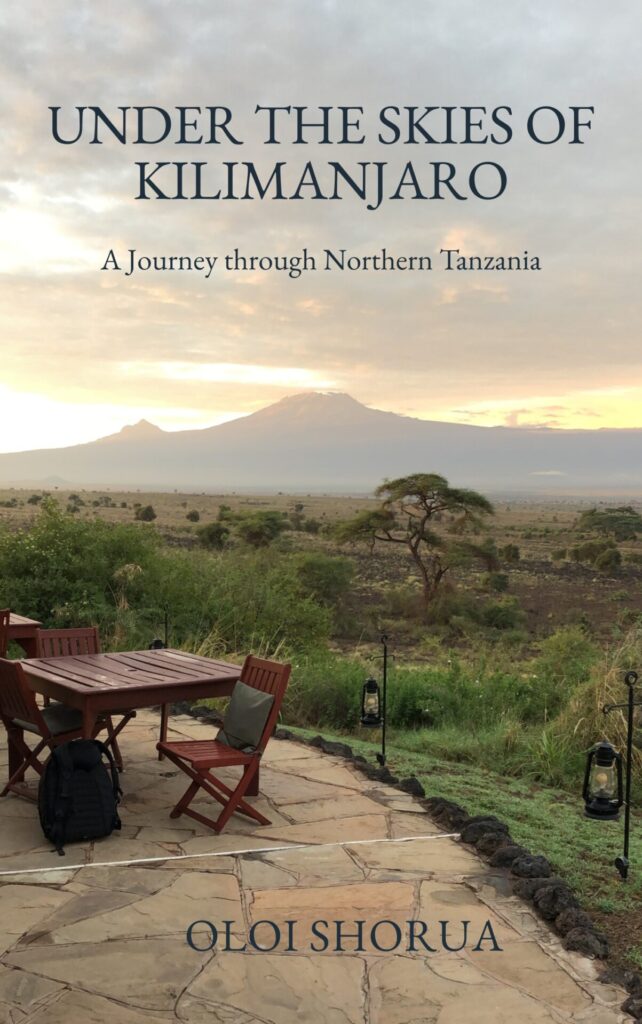
In the year 2000, before safaris became curated experiences and travel moved at digital speed, a journey through northern Tanzania unfolded slowly and without design. The book follows a passage from the foothills beneath Africa’s highest mountain through the quiet order of Arusha and the green density of Lake Manyara. It continues through the ancient caldera of Ngorongoro and finally onto the vast, indifferent plains of the Serengeti.
This is not a guidebook, nor a catalogue of sightings. It is a travel memoir shaped by observation rather than itinerary — by long drives, patient waiting, dust, cool evenings and moments of awe that arrive without announcement. A continuation of the African journey that began in Footprints in African Dust.
Between Railhead, River and Mountain
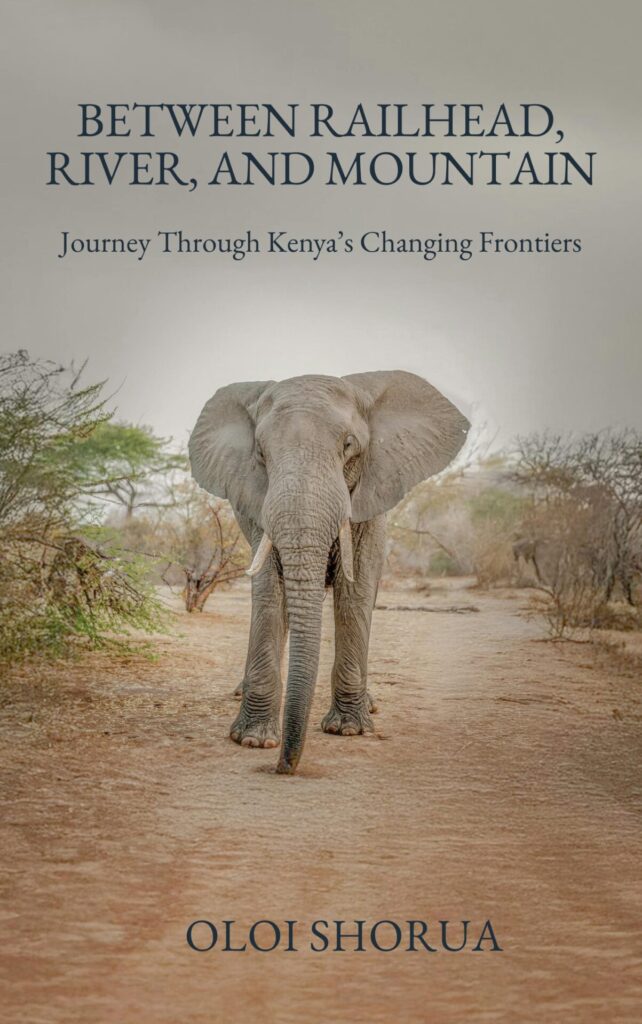
This book records a short journey through Kenya, made without haste and without design. Beginning in Nairobi at the Norfolk, the road moves north through Samburu — arid and exposed, governed entirely by the river. It concludes on the lower slopes of Mount Kenya, where height, air and silence alter both pace and attention.
There is no attempt here to catalogue wildlife or explain place. Instead, what is observed are the conditions of travel as they once existed: fire at night, cold at altitude, horses at dawn and institutions built to impose order on unfamiliar land. A book concerned less with destination than with presence.
Kilimanjaro to the Sea
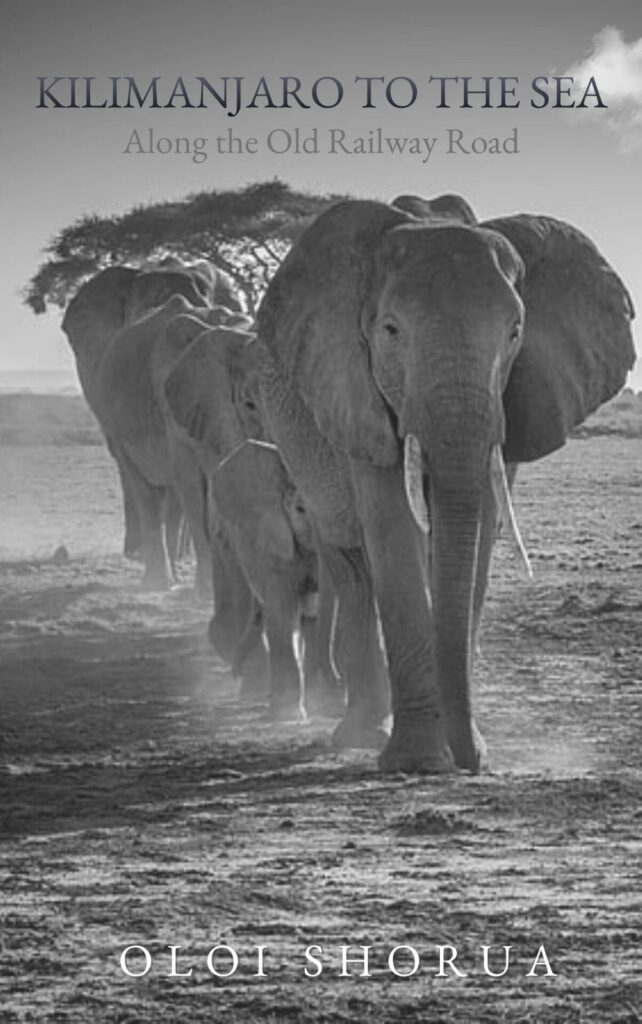
This book traces a journey shaped by distance rather than destination. Beginning beneath the slopes of Kilimanjaro, the route moves east through Amboseli and Tsavo. It follows the quiet logic of the historic railway line that once bound the interior of East Africa to the Indian Ocean.
This is not a wildlife catalogue, a lodge review or a checklist of highlights. It is a record of passage — of roads that hold their line, landscapes that stretch and compress and places understood through continuity rather than spectacle. A book about movement, memory and the long logic of travel.
Notes from the Masai Mara
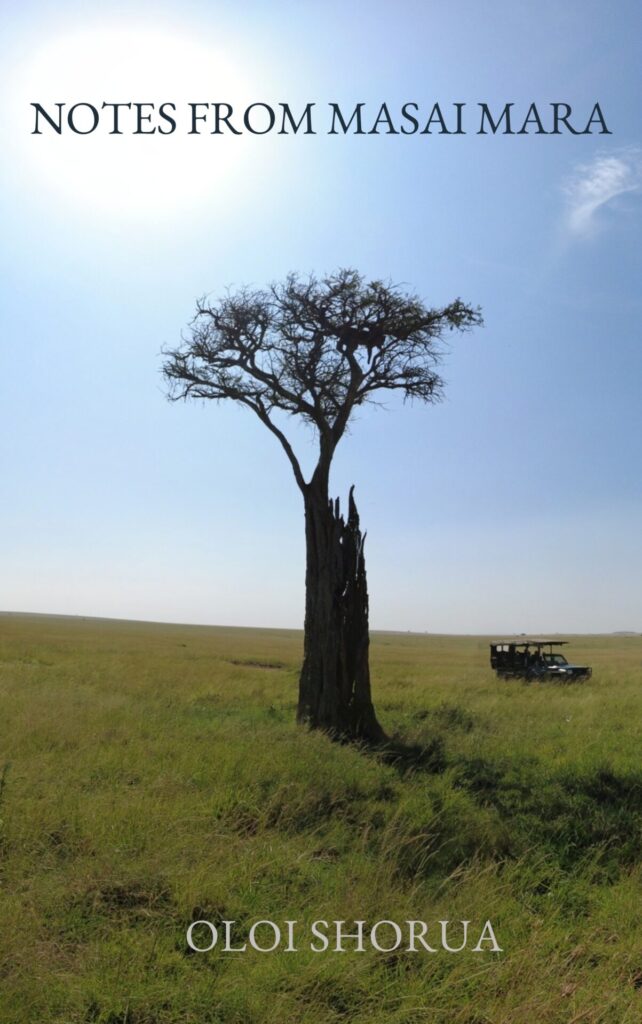
This book records time spent without urgency in one of Africa’s most familiar landscapes. The journeys were made over years, often without fixed itinerary, returning to the same ground long enough for repetition to replace novelty. What emerges is not a catalogue of wildlife or a guide to place. It is an account of conditions — of light, stillness, patience and interruption.
The writing concerns itself with the rituals of travel rather than its spectacle: arrival and departure, institutions that endure and landscapes that resist explanation. Animals appear as part of a system that neither performs nor accommodates. Additionally, this book forms part of the continuing body of travel writing that includes Footprints in African Dust, Under the Skies of Kilimanjaro and Between Railhead, River and Mountain.
Under the Swahili Stars
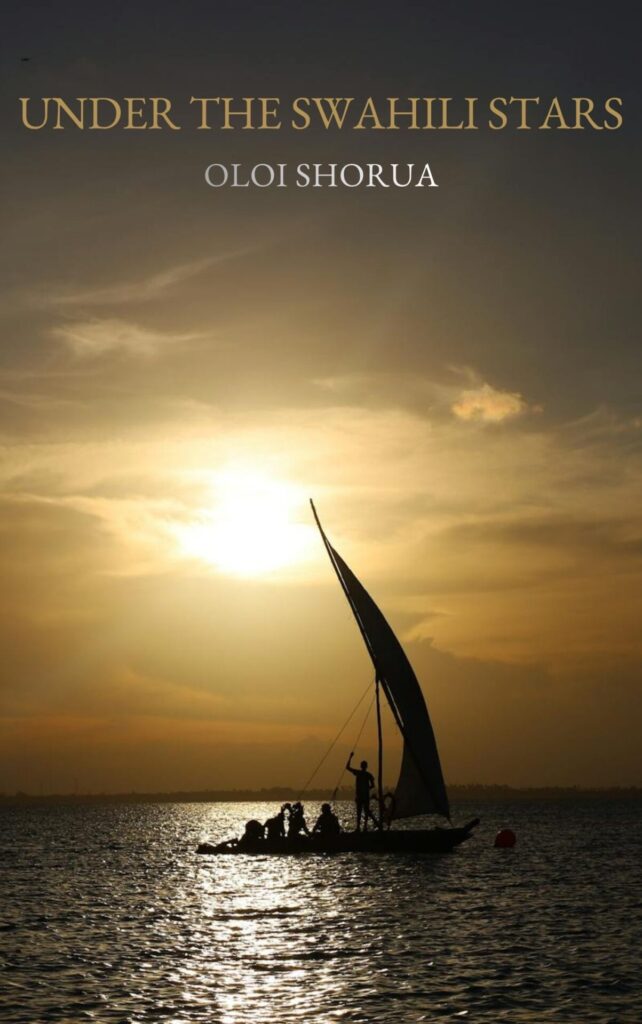
This book begins where the inland journey releases its hold. Moving south to north along Kenya’s Indian Ocean coast from Diani and Mombasa to Watamu, Malindi and finally Lamu, movement softens. Roads shorten. Boats replace vehicles. Days organise themselves around tide and sound rather than distance covered.
This is not a guidebook and not a catalogue of highlights. It is a record of presence — of beaches walked at low tide, towns entered on foot and meals taken without urgency. Furthermore, it captures places shaped by centuries of trade along the Swahili coast. A book about water, memory and the long patience of the shore.
Africa, Without the Noise
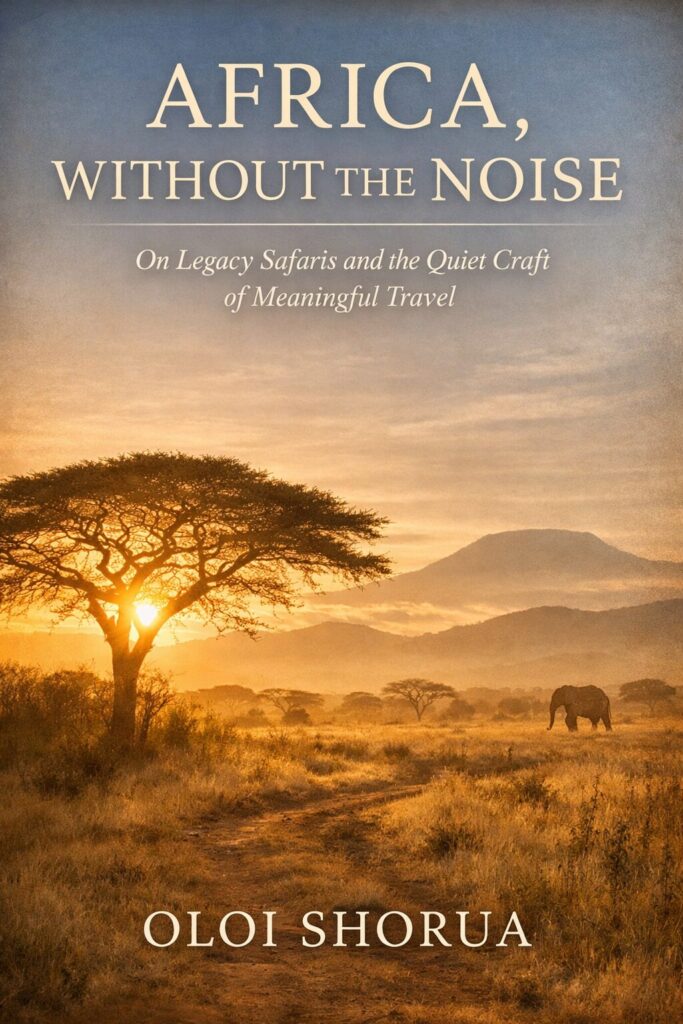
A safari in Africa can be many things. A legacy safari is something else entirely. This book introduces the idea of legacy safaris — journeys designed not for immediacy but for endurance. It explores what it means to travel in Africa in a way that settles into memory and evolves through return. Over time, such journeys become part of a longer personal or family narrative.
Through calm observation and lived perspective, the book considers what defines a legacy safari and how pace and presence shape experience. Additionally, it explores how thoughtful planning creates coherence rather than complexity. Written for travellers who value depth over coverage and who understand that the finest journeys are not completed but carried forward.
220 Days and Counting — There Is Always a Reason to Go Back

After months away, Oloi Shorua returns to South Africa and discovers once again that the country never truly becomes memory. The journey moves from the highveld beyond Johannesburg to the predator-rich reserves of the Eastern Cape, through the forests of the Garden Route and the dust of Addo. Landscapes here are shaped as much by memory and friendship as by wildlife itself.
Along the way are old friends, guides, conservationists and lodge owners whose lives remain deeply connected to the places they inhabit and protect. Written in a restrained, deeply observational voice — not simply a safari book, but a memoir of return.
Coast to Coast — Visiting Old Friends

A road memoir through South Africa built around the people who make the country feel lived-in rather than simply visited. Across a three-thousand-kilometre journey from the Atlantic coast to the Indian Ocean, old friends, bartenders, lodge owners and familiar tables become as important as the landscapes themselves.
This second volume in the South Africa series explores a different side of the country. Rather than focusing on wildlife and scenery alone, it follows the people, conversations and repeated journeys that slowly turn a destination into a continuing relationship.
Kapstadt — The Melting Pot of Africa
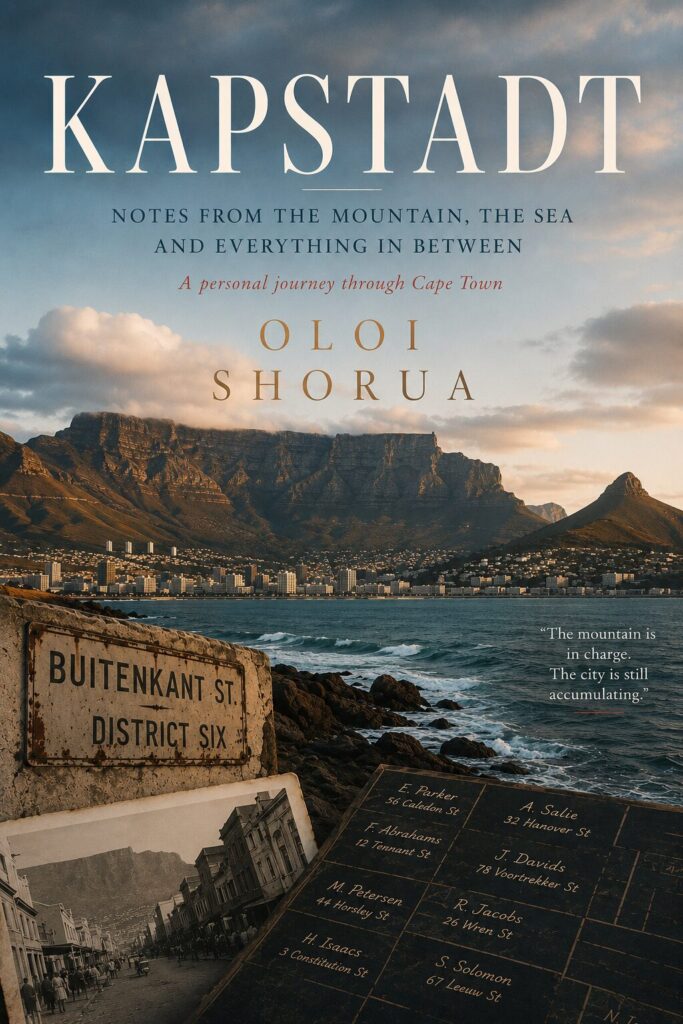
Cape Town knows it is beautiful, and this confidence runs through every part of the city — from the mountain and the ocean to the winelands, the weather and the people who live beneath it. This book moves through Cape Town in full: Table Mountain, the V&A Waterfront, Robben Island, Bo-Kaap, Long Street, the Cape winelands and District Six. Here, beauty, history and unresolved memory continue to exist side by side.
The third book in the South Africa series explores the Cape Peninsula not simply as a destination but as a layered and deeply human city. Landscape, contradiction, culture and time have all shaped it. The mountain remains in charge. Everything else simply arranges itself around it.
Across the Karoo — The Great Interior

A journey aboard the legendary Rovos Rail from Cape Town to Pretoria through the vast interior of South Africa. The train moves slowly through the winelands, the Karoo, Kimberley and the great railway landscapes of Southern Africa. Consequently, the book explores not only luxury rail travel but the emotional effect of movement, distance and silence in a modern world increasingly hostile to slowness.
Part travel memoir, part meditation on railways, landscape and memory, the book reflects on Africa, safari culture and the romance of the rails. It also captures the temporary worlds created aboard great trains — written in a restrained literary style through one of the most extraordinary interiors on earth.
Slow Town

The story of Sedgefield — a small coastal town on South Africa’s Garden Route where life moves at quieter rhythms than the modern world usually permits. What begins as a temporary stop between Wilderness and Knysna slowly becomes something deeper. A life takes shape through coastal roads, Saturday markets, ocean weather and the quiet friendships that small towns create without effort.
More than a travel memoir, the book reflects on slowness, memory and the gradual reduction of noise. Written in a deeply atmospheric style, it captures the emotional geography of the Garden Route — where the sea is never entirely absent from thought and ordinary life unfolds at a gentler pace.
Ten Kilometres Daily — Walking the Luangwa

This book follows a mobile walking safari through Zambia’s South Luangwa National Park — a journey experienced entirely on foot through one of Africa’s great wilderness landscapes. Without vehicles or permanent camps, the rhythm of the bush becomes immediate. Tracks appear in the dust. Wood smoke rises at dusk. Fresh bread emerges from underground ovens. Tents reappear each evening in an entirely new location.
Guides read lion prints, buffalo spoor and leopard markings with extraordinary precision. Meanwhile, the landscape shifts between cold mornings, intense afternoon heat and evenings beside the Mupamadzi River. More than a safari narrative, the book reflects on attention, movement, silence and the rare intimacy that walking creates with wilderness.
Victoria Falls

This book chronicles a journey along the Zambezi through one of Africa’s defining landscapes. From the riverbanks of Zambia to the edge of Mosi-oa-Tunya, The Smoke That Thunders, it explores the space between wilderness and luxury. Hippos move past riverside terraces. Storms cross the forest. Colonial-era verandahs overlook the river and the constant presence of the Falls.
Written in a restrained and deeply observational style, this is a reflection on landscape, atmosphere and movement through one of Africa’s most iconic regions. The Zambezi flows. The smoke rises. The Falls continue to reveal themselves slowly through water, distance and time.
Together these works reflect a long-standing connection with Africa — one that continues to shape both the journeys we design and the way we understand the continent.
View the complete collection on Amazon