
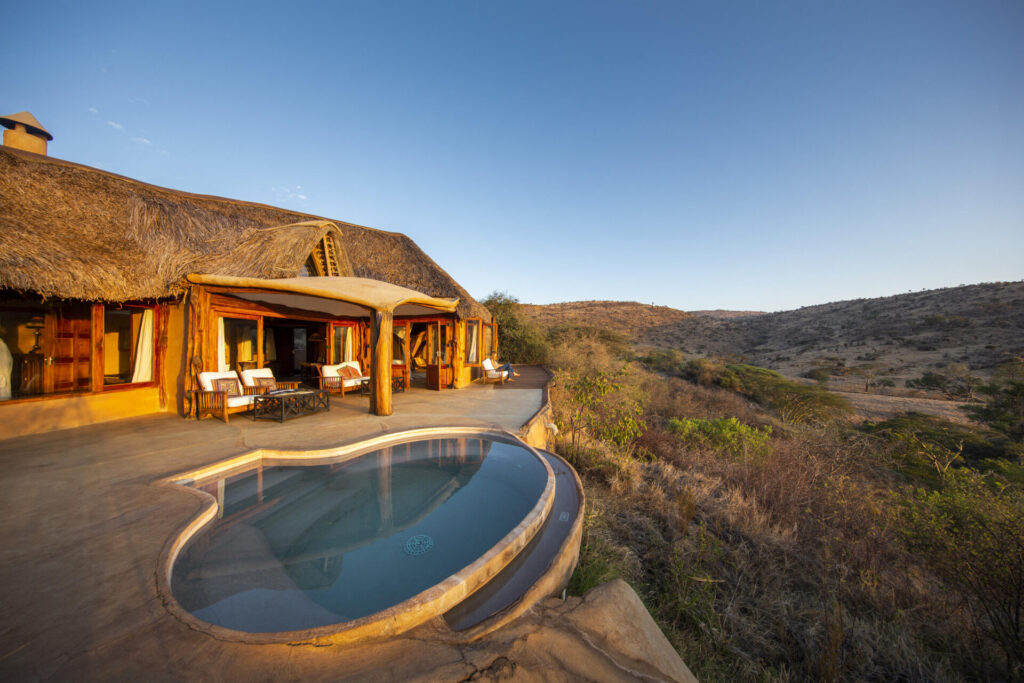
Lewa Wilderness
Wildlife Conservancy, Laikipia Plateau — The Craig Family
Lewa Wilderness sits within the Lewa Wildlife Conservancy on the Laikipia Plateau, beneath the northern slopes of Mount Kenya. The Craig family has managed this land for decades. It began as a cattle ranch, then became a rhino sanctuary, and ultimately the full conservation area it is today. That trajectory is not background context. It is the defining character of the experience, and understanding it changes how a stay here registers.
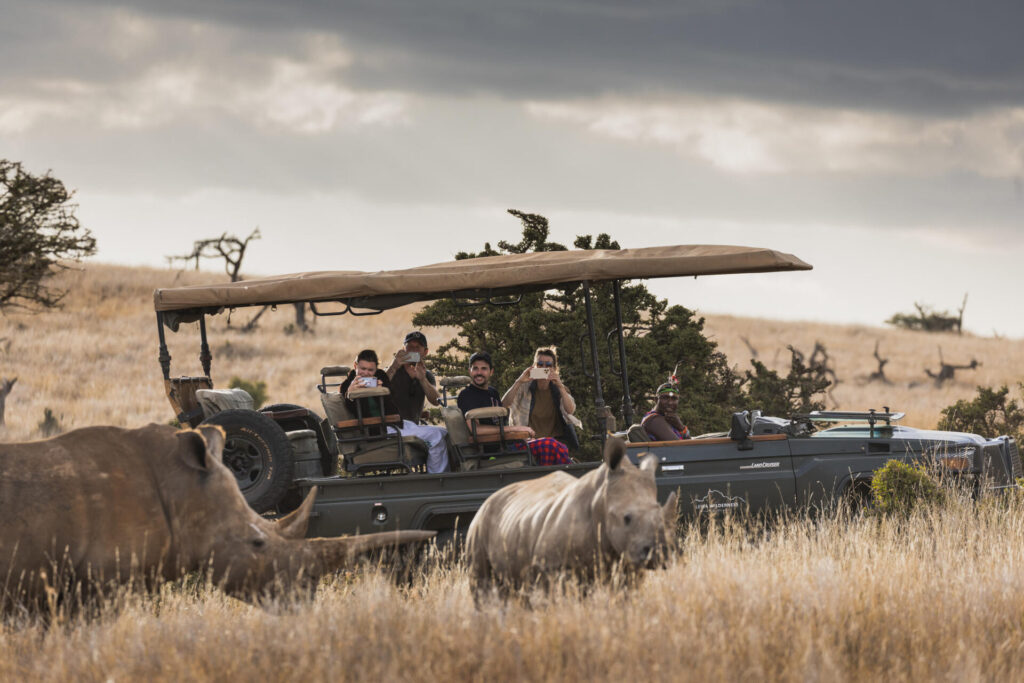
The 65,000-acre conservancy protects one of East Africa’s largest rhino populations — both black and white. Grevy’s zebra, elephant, lion, leopard and a remarkable diversity of smaller species also thrive here. Because private management strictly controls visitor numbers, game drives carry a quality of space and quietness. Few ecosystems in Kenya consistently deliver this.
Location and Landscape
Lewa occupies a transition zone between the arid north and the highland landscapes of Mount Kenya. This meeting point of ecosystems consequently produces unusual species diversity. Open savannah and acacia woodland in the lower conservancy give way to forested hills as the terrain rises. From many positions on the property, Mount Kenya fills the southern horizon. Clear mornings reveal snow caps and glaciers before cloud builds through the day.
The conservancy shares an unfenced boundary with Borana Conservancy to the south. Together they create a combined protected area of considerable scale. Wildlife moves freely across both. Consequently, itineraries can combine Lewa with Borana Lodge or other Laikipia properties. This allows guests to understand the full range of the landscape over a stay.
Accommodation
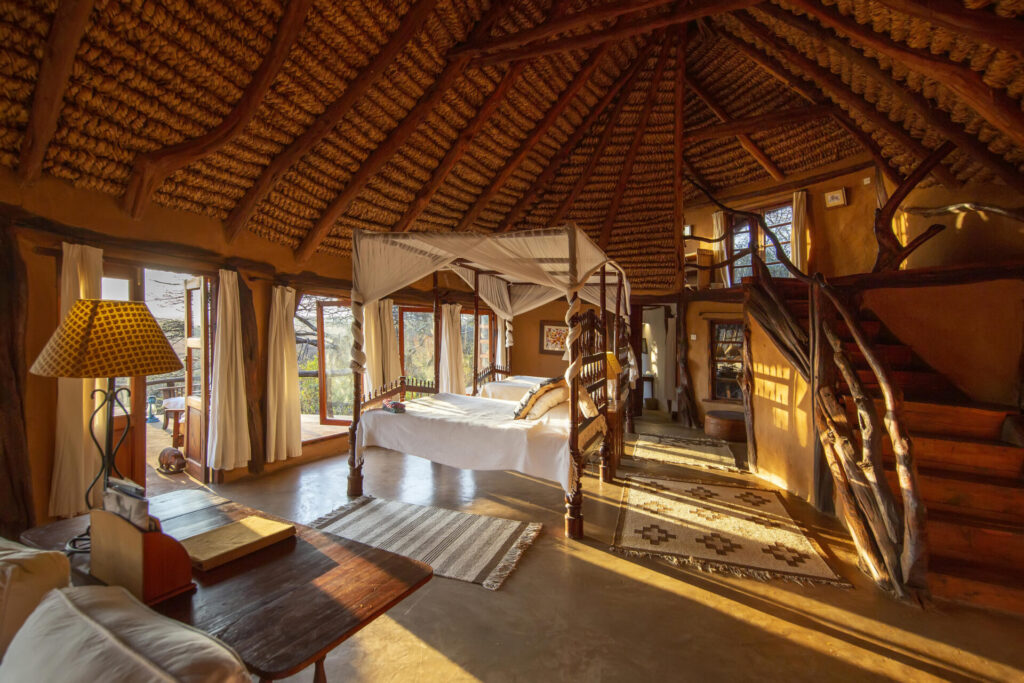
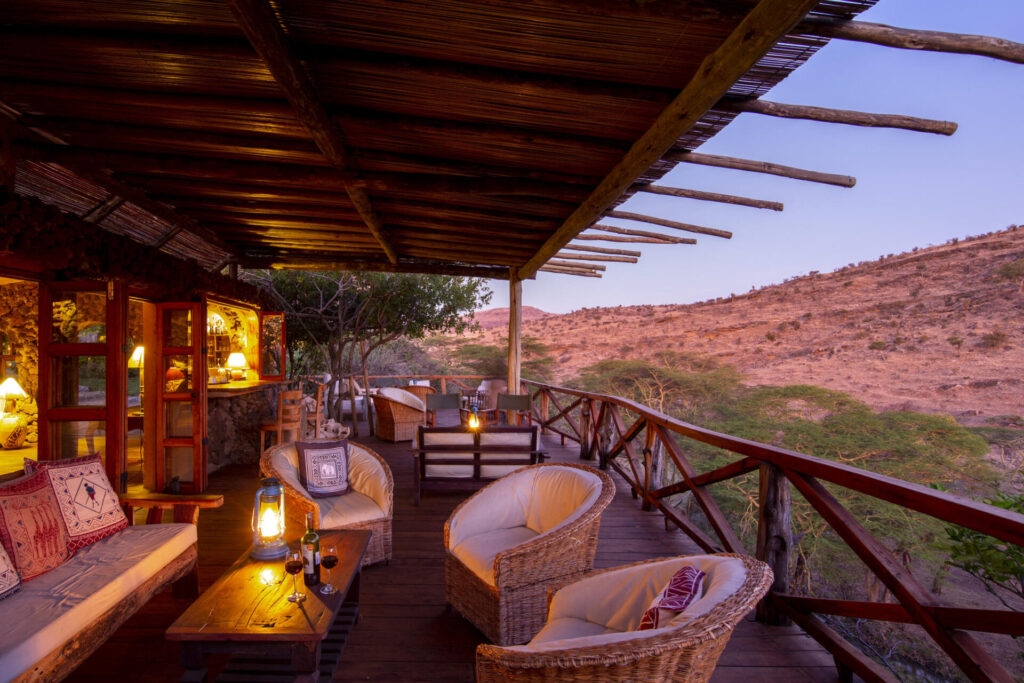
The lodge takes the form of a traditional East African safari homestead. Stone and timber cottages sit within gardens that merge gradually into the conservancy. The design is warm and domestic rather than architectural, reflecting the family character of the operation. Verandas overlook the bush. Bathrooms are full and well-appointed. Furthermore, interiors prioritise comfort and familiarity over visual spectacle, which suits the landscape rather than competing with it.
Lewa House provides complete exclusivity within the same conservancy — a fully staffed private residence for families or groups. It operates with its own guide, vehicle and programme, entirely separate from the main lodge. This arrangement suits multi-generational family travel well.
Safari Experience
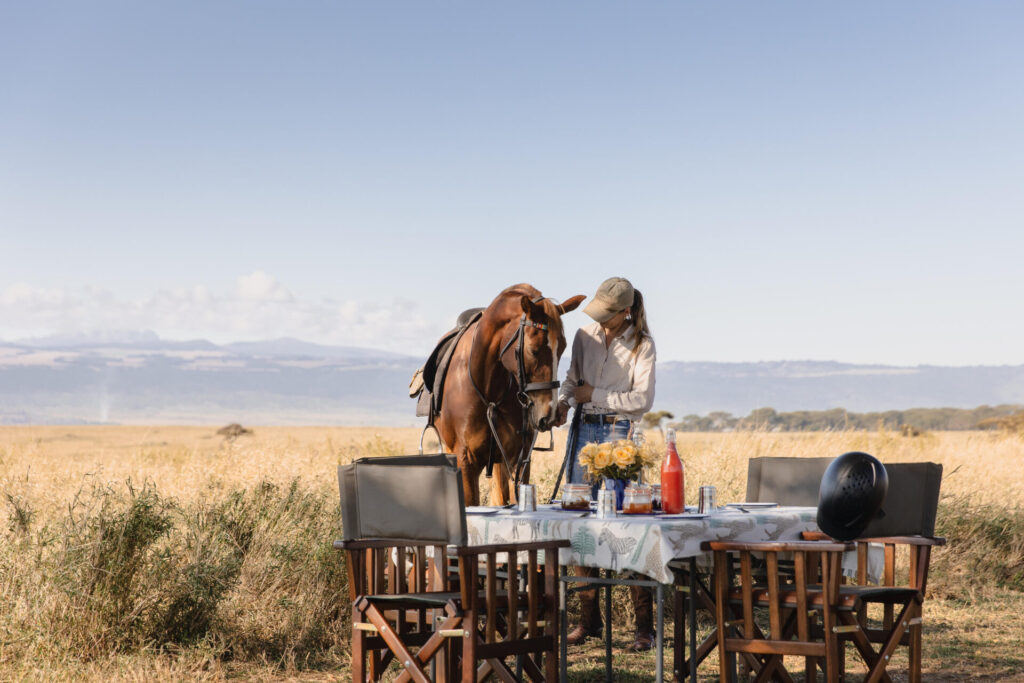
Lewa offers a wider range of safari activities than most Kenya properties. Game drives cover the conservancy’s varied terrain in open vehicles, accessing both Lewa and Borana sections of the landscape. Walking safaris operate in appropriate areas. Horseback safaris are among the finest in East Africa. Riding through terrain where elephant, giraffe and rhino move freely, proximity and immediacy exceed anything a vehicle can provide.
Camel safaris move at a pace suited to careful observation of tracks, birds and vegetation. Faster movement misses these details entirely. The lodge’s yellow vintage biplane offers scenic flights across the conservancy and wider Laikipia landscape. These flights give guests an aerial perspective of terrain that takes days to cover on the ground. Additionally, conservation visits to the rhino sanctuary and the Reteti Elephant Sanctuary provide context that deepens the wildlife experience.
The Conservation Legacy
The Craig family’s conservation work began with a rhino sanctuary in the 1980s. It has since evolved into one of Africa’s most widely studied private conservation models. Today, the conservancy holds one of the highest concentrations of black and white rhino in East Africa. Furthermore, it has contributed rhino to conservation programmes across the continent. Grevy’s zebra have also thrived here — critically endangered and rare outside northern Kenya, they benefit from a dedicated protection programme.
Lewa is a UNESCO World Heritage Site. The conservancy is also a founding partner of the Northern Rangelands Trust, which supports dozens of community conservancies across northern Kenya. Indeed, few African properties offer the depth of conservation narrative available here. Lewa is not simply a wildlife destination — it is a working conservation model.
When to Visit
Because the wildlife at Lewa is largely resident rather than migratory, game viewing is strong throughout the year. The dry season between June and October produces the clearest conditions and most predictable wildlife movement. December through March delivers warm, clear weather with excellent predator activity. April, May and November bring lush green landscapes and considerably lower visitor numbers. For those who value space and privacy, the green season offers a genuinely rewarding alternative to peak season.
Combining Lewa with Other Kenya Destinations
Lewa works naturally within a Laikipia circuit combined with Borana, Segera or other conservancy properties. Beyond Laikipia, the Masai Mara provides open grassland wildlife in contrast to Lewa’s highland terrain. Samburu to the north adds the northern frontier ecosystem and the Samburu Special Five. Additionally, the Kenya coast closes a journey at the Indian Ocean.
Kenya Safari Guide: Kenya Safari Guide — Laikipia Lodges: Laikipia Safari Lodges — All Kenya Regions: Luxury Kenya Safari Lodges
If you are considering Lewa Wilderness as part of a Kenya safari, we would be pleased to begin with a conversation.
Lewa Wildlife Conservancy — lewa.org
Kenya Wildlife Service — kws.go.ke