
Cottar’s 1920s Safari Camp
Olderkesi Conservancy, Maasai Mara — Cottar’s Safaris
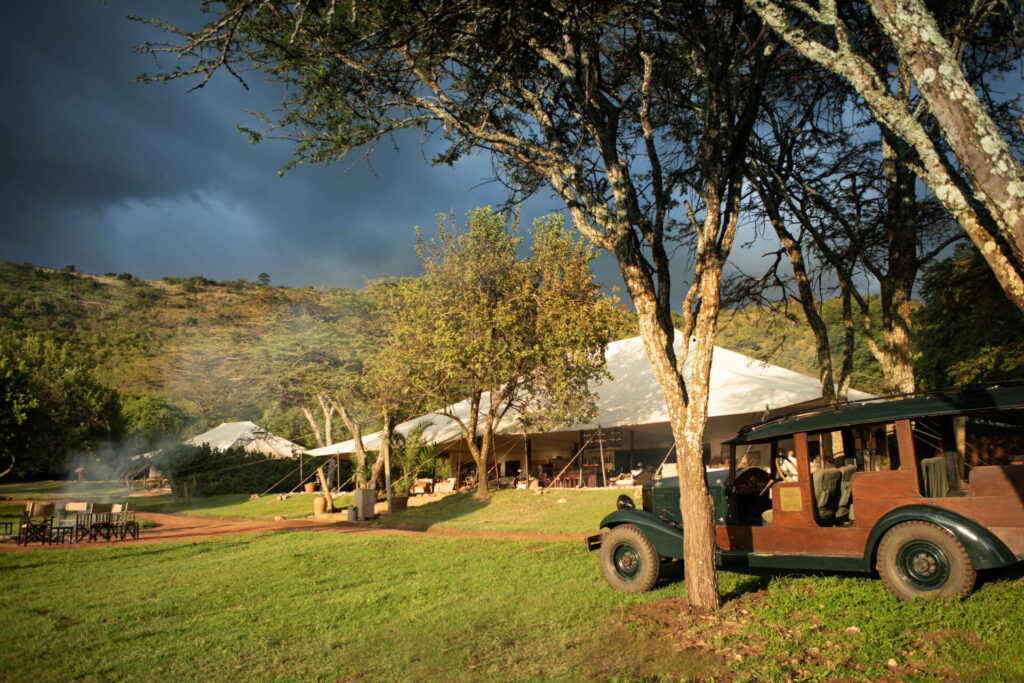
Cottar’s 1920s Safari Camp sits in the Olderkesi Conservancy on the southeastern edge of the Maasai Mara ecosystem. The Cottar family has guided in East Africa since 1919, making theirs one of the longest continuous safari guiding lineages on the continent. That history is not incidental to the experience — it shapes everything from the physical character of the camp to the depth of ecological knowledge that guides bring to the field.
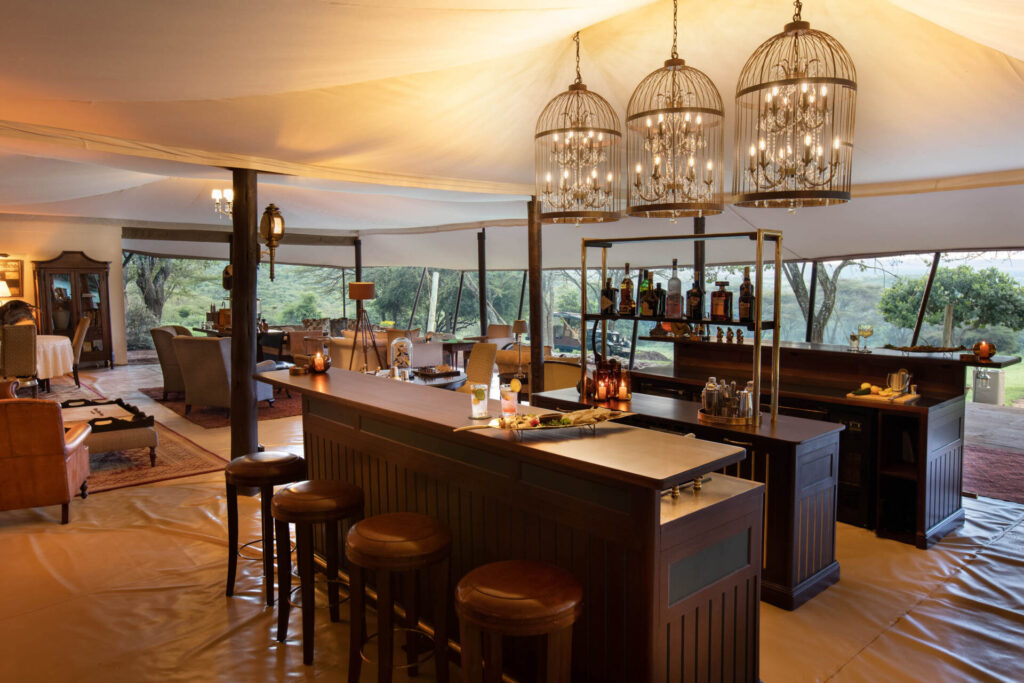
The camp recreates the atmosphere of early twentieth century East African exploration with canvas tents, antique furnishings and a visual language drawn from the safari archives of that era. The aesthetic is genuine rather than theatrical. The pieces are real, the references are specific and the overall effect is of a camp that understands its own history well enough not to need to explain it constantly.
Location and Landscape
The Olderkesi Conservancy forms part of the greater Maasai Mara ecosystem and shares a direct border with the national reserve. Rolling savannah plains, seasonal luggas and scattered acacia woodland support strong populations of lion, cheetah, leopard, elephant and plains game. Because the conservancy operates on a private lease with strictly controlled visitor numbers, game drives here carry a quality of space and calm that the reserve’s more frequented corridors cannot consistently provide.
The Great Migration passes through this part of the ecosystem between July and October, bringing large concentrations of wildebeest and zebra through the conservancy. Additionally, the conservancy’s position at the southern edge of the Mara means it receives the herds slightly earlier in the season than the northern areas, which can give guests a head start on the migration before the main Mara crowds arrive.
Accommodation
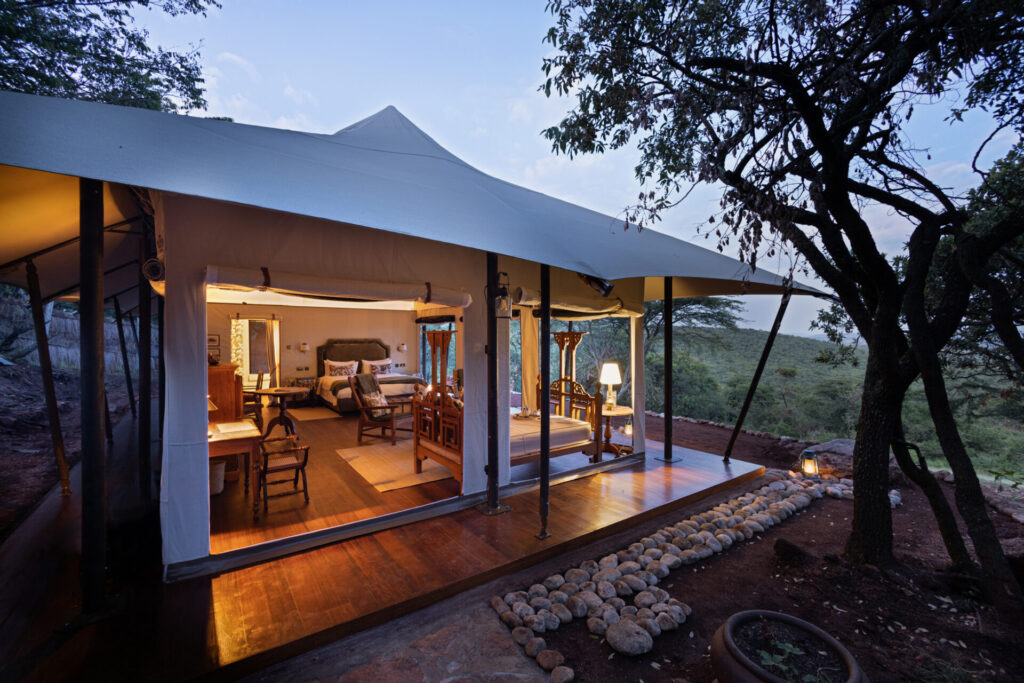
The canvas tents are furnished with antique safari pieces — brass fittings, period cots and trunks, hand-knotted rugs and lanterns — that would look equally at home in a Nairobi museum exhibit on early colonial safari culture. The verandas overlook the plains. Bathrooms are en-suite with full fittings. The interiors are warm and well-considered rather than minimal, reflecting the camp’s deliberate embrace of the era it references.
The scale of the camp is small. This matters as much as the design. A small camp with good guides produces a fundamentally different experience from a larger operation of equivalent quality — the attention is more consistent and the pacing of each day follows the guest rather than a schedule built around group logistics.
Safari Experience
Cottar’s has long maintained a strong reputation for walking safaris — arguably the most respected walking programme in the Mara ecosystem. The conservancy’s private status allows guests to leave vehicles and move through the landscape on foot with experienced guides, which changes both the quality of attention and the kind of encounter that becomes possible. Walking in big cat country requires a guide of genuine depth. The Cottar guides operate at that level.
Game drives access both the Olderkesi Conservancy and the Maasai Mara National Reserve. Inside the conservancy, off-road driving and night drives are permitted — neither of which is available inside the reserve. Night drives consistently produce encounters with nocturnal species that daytime drives miss entirely. The early morning drives from camp are also notable — wildlife moves through the surrounding terrain regularly, and sightings can begin within minutes of departure.
Cultural visits to Maasai communities in the area provide context for the landscape that a purely wildlife-focused itinerary would not naturally reveal. The relationship between the Cottar family and the local Maasai community spans generations and gives these visits a character that organised cultural tourism programmes rarely achieve.
The Cottar Heritage
Charles Cottar arrived in East Africa in 1919 as one of the continent’s earliest professional safari hunters. His descendants have guided continuously in the Mara ecosystem since then — across five generations and more than a century of direct engagement with the same landscapes, communities and wildlife populations.
That continuity produces something difficult to manufacture — a quality of local knowledge and relationship that accumulates across generations rather than being acquired through training alone. For travellers who value the human dimension of safari as much as the wildlife itself, the Cottar story is worth understanding before arrival. It shapes the experience in ways that are not always immediately visible but become apparent over the course of a stay.
Private Bush Villa
For families or private groups seeking complete exclusivity, the Cottar family operates a fully staffed private Bush Villa overlooking the Olderkesi Conservancy plains. The villa comes with a dedicated guide, vehicle, chef and personalised itinerary — entirely separate from the main camp operation. It suits multi-generational family travel particularly well, where the ability to set your own pace and programme without reference to other guests changes the character of the experience entirely.
When to Visit
The Olderkesi Conservancy produces rewarding wildlife viewing throughout the year. Between July and October, the Great Migration brings large concentrations of wildebeest and zebra through the ecosystem. December through March delivers clear skies, dry conditions and strong predator activity. April and May bring lush green landscapes, considerably lower visitor numbers and rates that reflect the reduced demand — for travellers who know what they are looking for, the green season at Cottar’s is genuinely worth considering.
Combining Cottar’s with Other Kenya Destinations
Cottar’s works well as part of a wider Kenya circuit. Laikipia to the north offers highland terrain and a completely different ecological register. Amboseli provides the Kilimanjaro backdrop and the finest elephant viewing in East Africa. The Kenya coast — Diani, Watamu or Lamu — closes a safari journey naturally with a transition to the Indian Ocean.
For Kenya planning: Kenya Safari Guide
For conservancy lodges: Mara Conservancies Safari Lodges
For all Kenya regions: Luxury Kenya Safari Lodges
If you are considering Cottar’s 1920s Safari Camp as part of a Kenya safari, we would be pleased to begin with a conversation.
Cottar’s Safaris — cottars.com
Kenya Wildlife Service — kws.go.ke