
Uganda Safari Guide | Regions, Seasons and Planning | Oloi Shorua
Uganda Safari Guide
Regions, seasons, cost and planning — a considered overview
Uganda holds more primate diversity than any other African country, and that single fact shapes most journeys built around it. Mountain gorillas in Bwindi, chimpanzees in Kibale, golden monkeys in Mgahinga, and ten further primate species scattered across the country’s forests give Uganda a depth of wildlife variety that few destinations can match within a single itinerary.
This Uganda safari guide sets out the regions, permit logistics and planning considerations behind a well-built Uganda journey. Primates draw most travellers first, but the country’s savanna parks, river systems and birdlife extend a Uganda trip well beyond a single trekking experience.
For broader regional context, see our Safari Guide — Africa, or compare with neighbouring Rwanda Safari Guide and Kenya Safari Guide.
Why Travel to Uganda
Winston Churchill called Uganda the “pearl of Africa” after a 1907 visit, and the description has stuck for a reason that becomes obvious on the ground. Few countries pack equatorial rainforest, savanna, wetland and the source of the Nile into a single, manageable itinerary. Gorilla permits here also cost considerably less than in Rwanda, making Uganda the more accessible option for travellers prioritising value without compromising on trekking quality.
Uganda’s bird list runs past 1,000 species, among the highest of any country on earth relative to its size, and this density draws a dedicated birding community alongside the more conventional primate and game-viewing traveller. The country’s parks also remain comparatively uncrowded relative to East Africa’s more established circuits, a function of Uganda’s later return to mainstream tourism following decades of political instability.
Main Safari Regions
Bwindi Impenetrable National Park
Bwindi protects roughly half of the world’s remaining mountain gorilla population, spread across several sectors of dense, ancient rainforest in Uganda’s southwest. Trekking difficulty varies meaningfully by sector and by which gorilla family a permit allocates, ranging from a moderate few hours to a genuinely demanding full-day climb through steep, tangled terrain that gives the park its name.
A small number of habituation experiences also operate here, allowing visitors to spend an extended morning with a gorilla family still being acclimatised to human presence, under researcher supervision rather than the standard one-hour trekking limit.
Kibale National Park
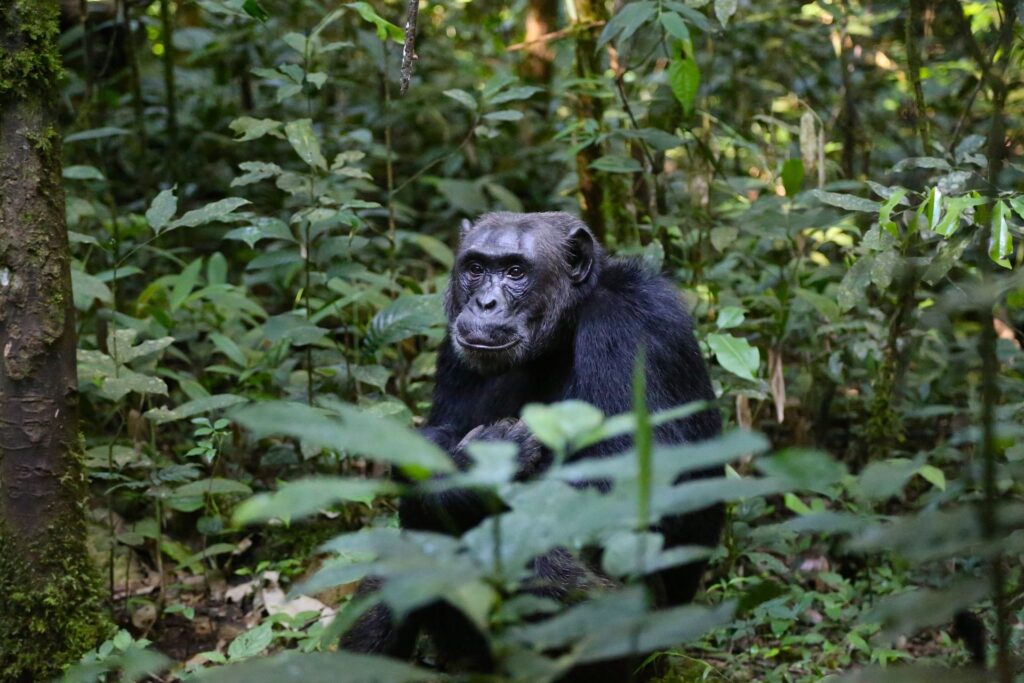
Kibale holds the highest density and diversity of primates in East Africa, including a large, well-studied chimpanzee population habituated over decades of ongoing research. Chimp tracking here delivers consistently strong sightings, and a chimp habituation experience, similar in structure to Bwindi’s gorilla version, allows for extended observation across a full morning.
The neighbouring Bigodi Wetland Sanctuary, community-run and considerably less visited, adds strong birdlife and primate sightings for travellers with an extra half-day to spend in the area.
Queen Elizabeth National Park
Queen Elizabeth combines savanna, wetland and forest within a single park, bisected by the Kazinga Channel, where a boat cruise delivers consistently close sightings of hippo, buffalo and elephant along the shoreline. The Ishasha sector, in the park’s south, holds a small population of tree-climbing lion, a behaviour shared with Tanzania’s Lake Manyara but seen in far fewer locations across the continent.
Crater lakes scattered through the park’s northern section add scenic variety, and the area’s birdlife, supported by the channel’s wetland habitat, rivals anywhere else in the country.
Murchison Falls National Park
Murchison Falls centres on the point where the Nile forces itself through a gorge roughly seven metres wide, dropping with a force that gives the park its defining landmark. Boat safaris along the Nile below the falls draw large numbers of hippo, crocodile and elephant to the riverbank, while game drives across the park’s savanna sections add lion, giraffe and substantial buffalo herds.
Nearby Ziwa Rhino Sanctuary, just outside the main park, holds Uganda’s only population of white rhino, reintroduced after the species was hunted to local extinction during the country’s period of civil unrest.
Semuliki and Lake Mburo
Semuliki National Park, in Uganda’s far west, protects lowland rainforest more typical of the Congo basin than the rest of East Africa, with a distinct set of primate and bird species reflecting that connection. Lake Mburo, by contrast, sits closer to Kampala and offers a compact savanna experience, including walking and horseback safaris rarely permitted elsewhere in Uganda, making it a practical addition for shorter itineraries.
Wildlife Highlights
- Mountain gorilla: Bwindi holds roughly half the world’s remaining population, trekked across several distinct forest sectors.
- Chimpanzee: Kibale offers the country’s strongest, most consistent sightings, supported by decades of ongoing research.
- Tree-climbing lion: the Ishasha sector of Queen Elizabeth National Park is one of the few locations in Africa where this behaviour is reliably observed.
- White rhino: reintroduced at Ziwa Rhino Sanctuary near Murchison Falls, following local extinction during a period of civil unrest.
- Birdlife: a national list exceeding 1,000 species, concentrated particularly around the wetlands of Queen Elizabeth and the forests of Kibale and Semuliki.
Best Time to Visit Uganda
Uganda’s equatorial climate keeps temperatures fairly stable across the year, so this Uganda safari guide focuses on rainfall and trekking conditions rather than dramatic seasonal wildlife shifts.
June to September
The long dry season and the most popular trekking and game-viewing window. Forest trails are firmer, and savanna parks benefit from thinner vegetation around remaining water sources.
December to February
A shorter dry spell offering similarly strong trekking conditions, generally with fewer visitors competing for permits and lodge availability.
March to May and October to November
The two wet seasons bring muddier, more demanding trails, particularly in Bwindi and Kibale, though primate sightings remain largely unaffected. Birdlife activity often increases during these months, a useful trade-off for dedicated birders.
Different Travel Styles
The Primate-Focused Trip
A compact itinerary pairing Bwindi gorilla trekking with Kibale chimp tracking, generally run over six to eight nights, suited to travellers prioritising primates above savanna game viewing.
The Full Uganda Circuit
Extending to ten or eleven nights, this style adds Queen Elizabeth and Murchison Falls to the primate parks, delivering a genuinely complete cross-section of the country’s ecosystems within a single trip.
Uganda and Rwanda Combined
A short flight or manageable road crossing connects Uganda’s parks with Rwanda’s Volcanoes National Park, allowing travellers to split gorilla trekking between both countries or simply add Rwanda as a brief extension.
Birding-Focused Journeys
Built around Queen Elizabeth, Semuliki and Bigodi Wetland Sanctuary, this style suits travellers whose primary interest is Uganda’s exceptional bird diversity rather than primates or conventional game drives.
Practical Planning Considerations
- Permit booking: gorilla and chimp habituation permits are limited and should be secured well in advance, particularly for peak dry-season dates.
- Fitness: Bwindi’s terrain varies considerably by sector, and travellers with limited fitness should request this be factored into gorilla group allocation.
- Internal travel: light aircraft connect Entebbe with Bwindi, Kibale, Queen Elizabeth and Murchison Falls efficiently; road transfers between southwestern parks are also common but can run long given Uganda’s terrain.
- Pace: allowing two full days per major park avoids reducing a visit to a single trek or drive, particularly given the added activities — boat cruises, habituation experiences and walking safaris — many parks offer.
Entry Requirements
Most nationalities require a visa to enter Uganda, available online in advance, and Uganda also participates in the East Africa Tourist Visa alongside Kenya and Rwanda for travellers combining all three. A passport valid for at least six months beyond the date of travel is required, along with proof of yellow fever vaccination, which Uganda enforces strictly given its position within the disease’s endemic zone. Requirements vary by nationality and are worth confirming directly ahead of travel.